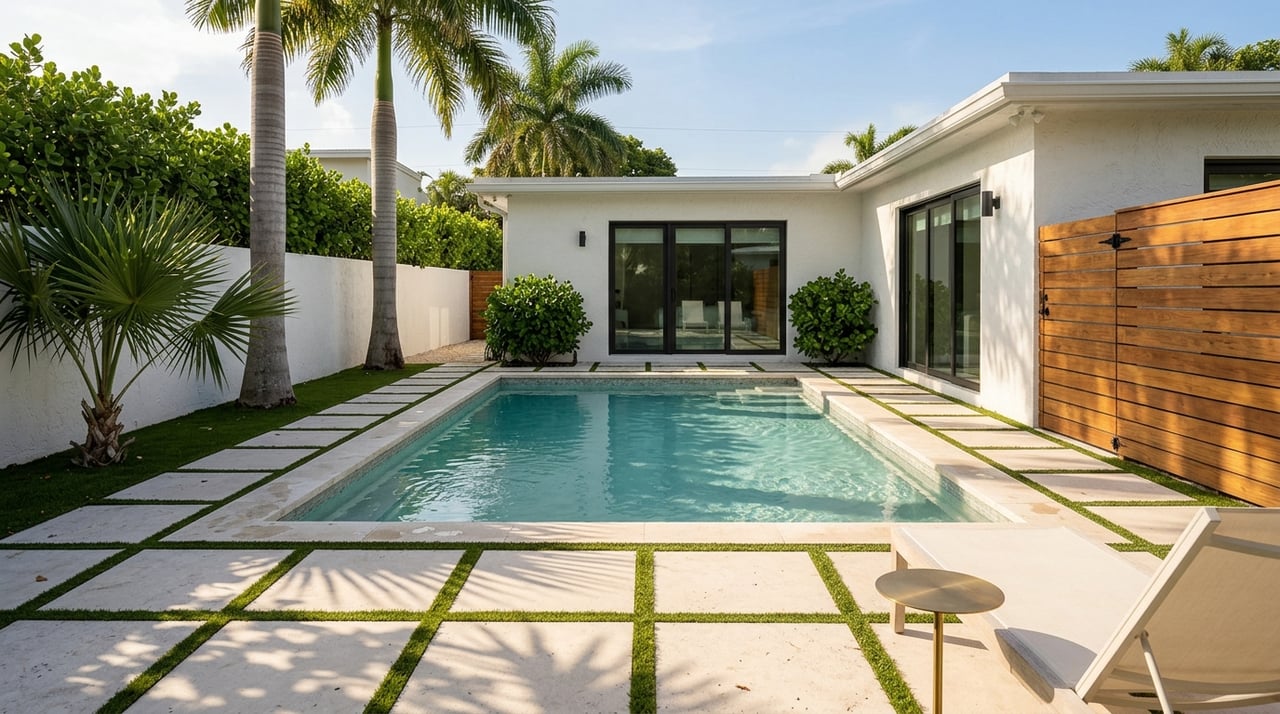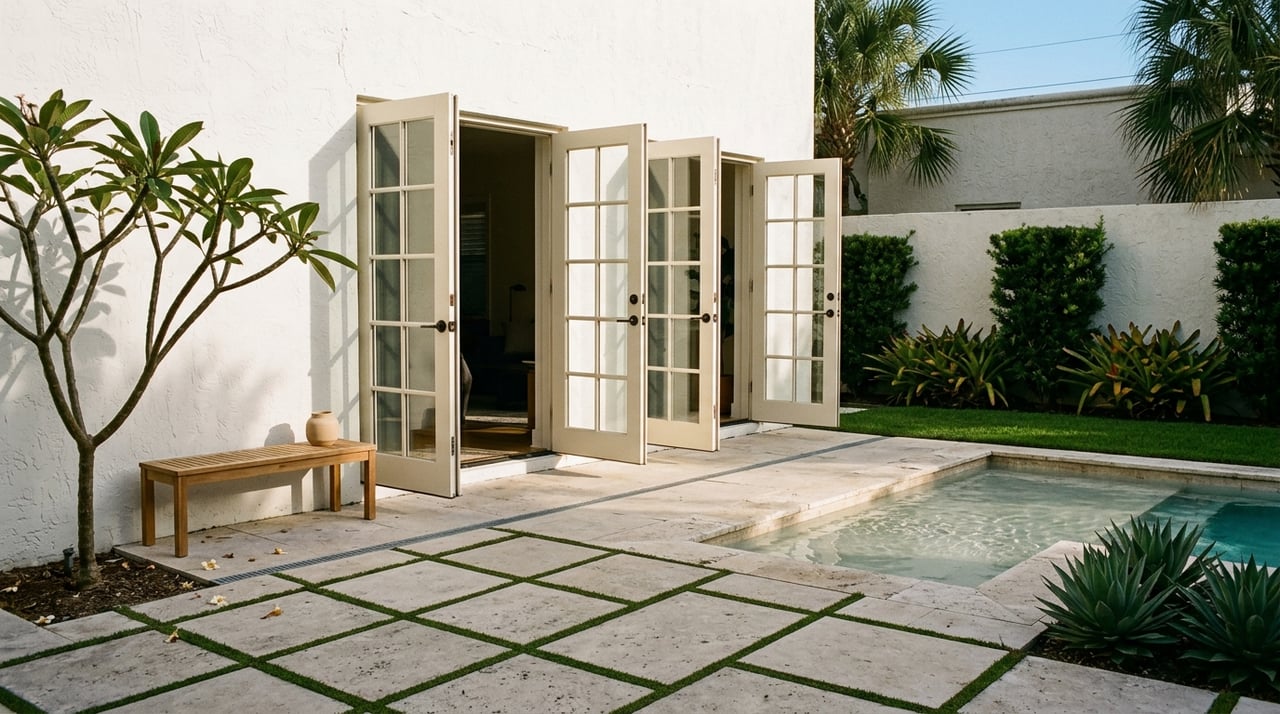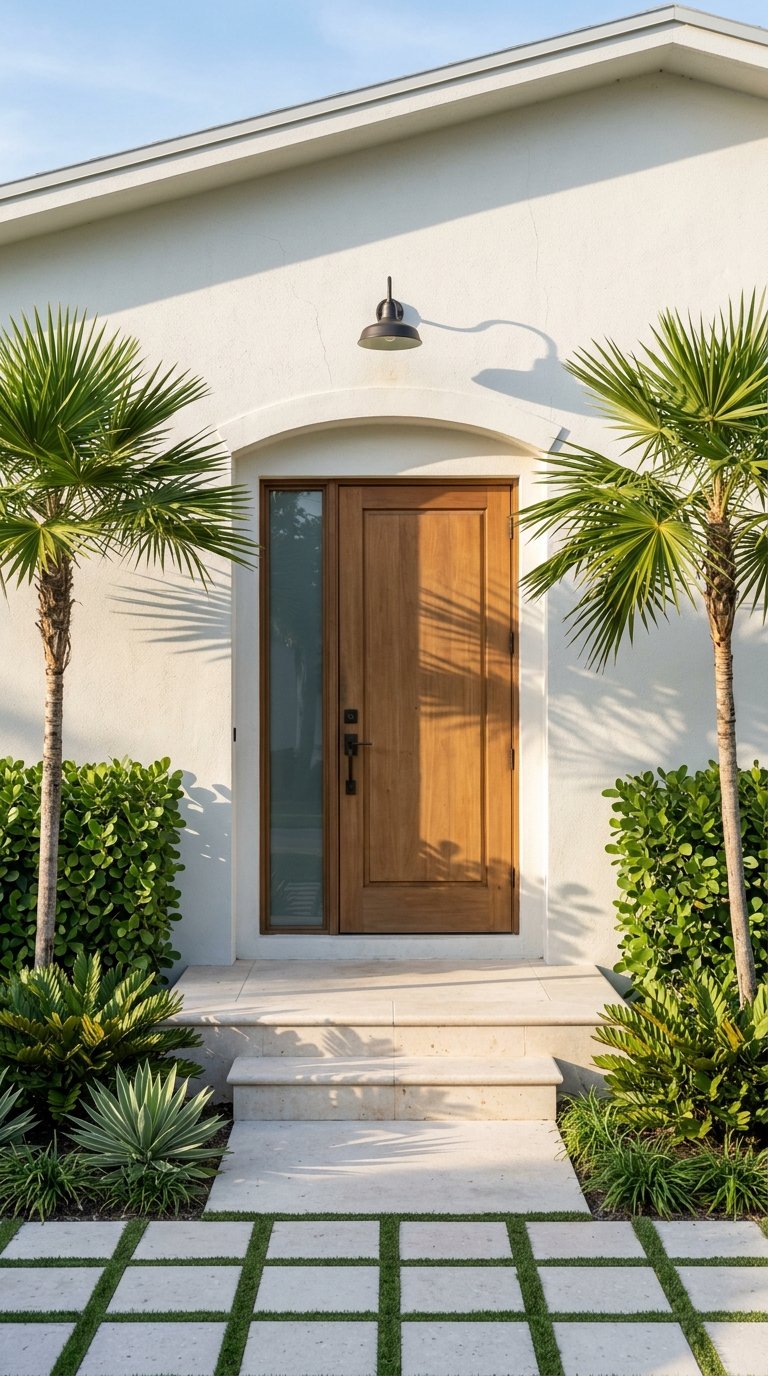
Selling a historic home in El Cid or Prospect/Southland Park is not the same as listing a standard property. Buyers are often drawn to the architecture, curb appeal, and story of the house, but they also want clarity about what has been updated, what was approved, and what may be subject to historic review. If you prepare those details before you go to market, you can reduce surprises and present your home with more confidence. Let’s dive in.
Why historic prep matters
West Palm Beach has an active historic-preservation system with 18 locally designated historic districts and 46 individually designated sites. The city map identifies both El Cid and Prospect/Southland Park as historic districts, which means exterior changes are subject to the city’s preservation rules.
That matters when you sell because buyers may ask whether past exterior work was approved, whether the property is contributing or noncontributing, and whether future changes may require review. A well-organized pre-listing plan helps you answer those questions clearly and market the home accurately.
Know your district and property status
Start by confirming exactly how the property is classified. The city recommends using its historic-property map and Historic Layers tools to verify whether the home is in a historic district and whether it is contributing or noncontributing.
That distinction is important. The city states that a noncontributing home is typically one that was built after the district’s period of significance or has been altered enough that it no longer contributes to the district’s historic character. You should only use these terms in marketing if your file supports them.
In El Cid, the historic character is especially well documented. According to the National Register nomination for El Cid, the district is known for homes built roughly between 1921 and 1941 and is widely associated with Mediterranean Revival architecture. The same document notes that the area south of El Cid, Prospect Park/Southland Park, also has a strong concentration of Mediterranean Revival homes, while city materials show a broader mix of styles in Prospect/Southland Park, including Mission Revival, Colonial Revival, Masonry Vernacular, and Vernacular styles.
Gather the paper trail before listing
One of the smartest things you can do before putting a historic home on the market is build a clean documentation file. If a buyer asks about the roof, windows, fence, addition, or shutters, you want answers ready.
The city’s application resources are a helpful guide for what to collect. Your pre-listing file should include:
- Certificates of Appropriateness for exterior work
- Building permits and approved plans
- Roof plans and product details
- Cut sheets or product information for windows, doors, awnings, shutters, and fencing
- Surveys
- Receipts and contractor records
- Before-and-after photos, if available
If the property used the historic tax-exemption program, keep those records too. That may include the preconstruction application, completed-work cover sheet, and any recorded covenant tied to the improvement.
Review every exterior change
In West Palm Beach historic districts, the city reviews exterior work that changes the appearance of the property. According to the city’s Historic Preservation FAQs, interior remodeling is not part of historic review, but exterior work can be reviewed even if it is not visible from the front.
Before listing, do a full walkaround and compare the property to the city’s guidance on making changes to a historic property. Focus on these items:
- Roof
- Windows and doors
- Siding or exterior finishes
- Fences and site walls
- Decks and patios
- Pergolas and sheds
- Driveway materials
- Rear or side additions
The goal is simple: every meaningful exterior change should be traceable to a permit, Certificate of Appropriateness, or related approval if one was required.
Check common red-flag items
Some features tend to raise questions in historic districts, especially when buyers are doing due diligence. It helps to flag these early instead of waiting for them to come up during contract negotiations.
Windows and doors
The city notes that original wood windows are often preferred for repair and may add to the property’s character. The same guidance says horizontal slider windows are usually not visually compatible with most pre-war houses.
If your home has replacement windows, gather the approval records and product information now. If it still has original wood windows, that can be a meaningful feature to document and describe accurately.
Roof materials
Roof style and material can affect historic compatibility. The city specifically notes that metal roofs are not considered a fit for Mission or Spanish Colonial style houses, so if your home falls into one of those categories, make sure any roofing work is properly documented.
Fences and site walls
The city’s FAQs state that vinyl and composite fences are generally not permitted in historic districts. Wood and aluminum fences can be allowed if height and setback requirements are met, while chain link has limited acceptance when screened.
If your lot has a newer fence or wall, confirm what was approved. This is especially important because fencing is often one of the first things a buyer sees from the street.
Driveways and hardscape
Driveway materials also affect visual compatibility. The city describes brick pavers, concrete driveway ribbons, and poured slab driveways as traditional choices, while loose gravel or crushed shell is generally limited to side-yard areas beyond the front 25-foot setback.
For sellers, this is less about making a change and more about being prepared to answer questions. If the driveway was altered, your file should show what was done and whether approvals were obtained.
Be careful with pre-listing improvements
If you are thinking about doing last-minute work before listing, timing matters. The city says applications must be complete by noon on the deadline date, completeness is checked within 10 working days, and an application may be withdrawn if comments are not answered within 60 days.
That means historic review is not something to leave until the week before photos. If a project needs approval, submit early or consider whether it makes more sense to sell with full disclosure instead of rushing a change.
Focus on low-risk curb appeal
Not every pre-listing project creates a historic-review issue. The city states that paint colors are not regulated and landscaping is not subject to historic review, although fences and site walls are.
That gives you room to improve presentation in practical ways before going live. Common low-risk options include:
- Fresh exterior paint
- Landscape cleanup and trimming
- Mulch and planting refresh
- Pressure washing approved hard surfaces
- Entry styling for photos and showings
These updates can improve first impressions without changing the home’s historic identity.
Describe the home with precision
Historic homes often have strong architectural appeal, but your marketing should stay precise and documented. A better approach is to highlight what you can support, such as an approved rear addition, preserved original wood windows, or a documented architectural style.
Avoid unsupported phrases like fully original or period-perfect unless the property record clearly proves them. The city’s guidance emphasizes preserving authenticity rather than adding features simply to make a house appear more historic than it is.
Historic status should also be treated as a permanent part of the property, not a temporary feature. The city states that once a local historic district is established, owners cannot opt out, so buyers should understand that designation as part of the home’s long-term profile.
A practical seller checklist
If you want a simple roadmap, start here before listing your home in El Cid or Prospect/Southland Park:
- Confirm whether the property is in a local historic district.
- Verify whether it is contributing or noncontributing.
- Gather all Certificates of Appropriateness, permits, and approved plans.
- Match visible exterior features to your records.
- Review windows, roof, fence, driveway, additions, and accessory structures closely.
- Decide whether any unfinished or unapproved work needs attention.
- Use only documented architectural and historic descriptions in marketing.
- Focus on low-risk presentation improvements like paint and landscaping.
- Organize tax-exemption paperwork if the property used that program.
- Build a clean disclosure package before the home hits the market.
A historic home can stand out beautifully when the details are handled well. If you are preparing to sell in El Cid or Prospect/Southland Park and want a polished, well-documented strategy from pricing through presentation, Mae Ferguson can help you position your property with clarity, care, and local insight.
FAQs
What should sellers verify before listing a historic home in El Cid?
- Sellers should confirm whether the property is in the historic district and whether it is classified as contributing or noncontributing using the city’s historic-property map.
What exterior items are commonly reviewed for historic homes in West Palm Beach?
- Commonly reviewed exterior items include roofs, windows, siding, fences, site walls, decks, patios, pergolas, sheds, and additions.
Can sellers repaint a historic home in Prospect/Southland Park before listing?
- Yes. The city states that paint colors are not regulated in its historic districts.
Can sellers install a vinyl fence on a historic property in West Palm Beach?
- Generally no. The city says vinyl and composite fences are typically not permitted in historic districts.
Are original wood windows important when selling a historic home?
- Yes. The city recommends repairing original wood windows when possible because they help preserve character and may be more cost-effective than replacement.
Does West Palm Beach review interior remodeling on historic homes before a sale?
- No. The city says historic review applies to exterior modifications that change the appearance of the property, not interior remodeling.
Should sellers promise historic tax benefits in their marketing?
- No. Tax benefits should only be mentioned when the required approvals are in place, since the program applies to qualified improvements and must be approved before work begins.